
Scientists are proactively developing platform technologies that can swiftly be adjusted to address the challenges posed by Disease X.
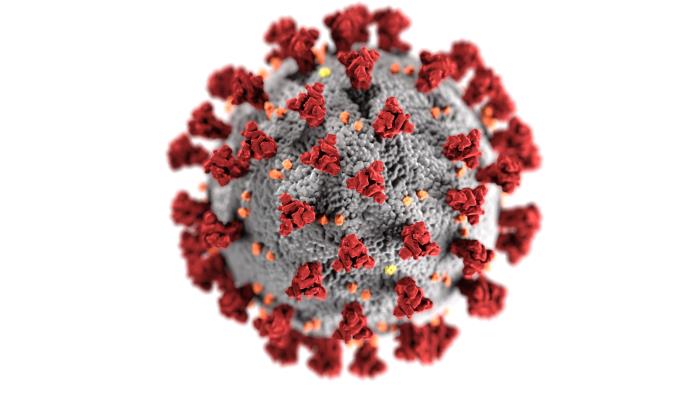
In the wake of the COVID-19 aftermath, the global focus turns to Disease X, an elusive and potentially more severe threat. Coined by the World Health Organization (WHO), Disease X serves as a representation of an unforeseen pathogen capable of triggering an epidemic or pandemic with consequences surpassing those of COVID-19. Placed alongside other high-priority diseases, WHO emphasizes the need for global preparedness.
Global leaders, including WHO Chief Dr Tedros Adhanom Ghebreyesus, are set to convene at the World Economic Forum in Davos to discuss strategies for addressing Disease X. The session, titled "Preparing for Disease X," seeks to explore innovative efforts to ready healthcare systems for multiple challenges, aiming to prevent the collapse of national healthcare infrastructures witnessed during the 2020 crisis.
Scientists are actively engaged in developing adaptable platform technologies to combat Disease X. Notably, researchers from the University of Oxford are exploring modifications to the COVID-19 vaccine to address this new threat. The WHO stresses the importance of early cross-cutting research and development preparedness relevant to Disease X.
Discussions in Davos are expected to focus on strengthening international cooperation, coordination, governance, and investment to prevent the recurrence of health and socioeconomic impacts seen during the COVID-19 pandemic. Initiatives like the Pandemic Fund and the WHO Hub for Pandemic and Epidemic Intelligence are laying the groundwork for a safer world.
While the specific virus causing Disease X remains unidentified, experts suggest a high likelihood of it being a respiratory virus due to their typically higher survival rates. The ongoing efforts underscore the global commitment to preemptively address and mitigate potential future health crises.


0 Comments